October 5, 2026
Cosmetic Dentistry Bakersfield CA for Better Smile Symmetry
By @caidenoeid482

A balanced smile does not always mean a perfectly white row of identical teeth. In practice, smile symmetry is more nuanced than that. It involves the way the front teeth frame the lips, how the gumline rises and falls from one side to the other, whether the midline between the two front teeth lines up reasonably well with the face, and how the bite supports the lower third of the face when a person speaks or laughs. When patients ask about improving their smile, symmetry is often the real issue, even if they describe it in simpler terms such as, “One side looks off,” or, “My teeth don’t match my face.”
That is where cosmetic dentistry becomes valuable. In a city like Bakersfield, where people work face to face in healthcare, agriculture, education, sales, and energy, appearance matters in a practical, everyday sense. Patients are not usually chasing a movie-star smile. Most want to look healthy, even, and natural. They want coworkers to notice that they look refreshed, not to wonder what procedure they had done. Cosmetic Dentistry Bakersfield CA tends to work best when it corrects imbalances without erasing character.
What smile symmetry really means
A symmetrical smile is not mathematically exact. Human faces are not symmetrical, and trying to force the teeth into rigid perfection can make the result look artificial. Good cosmetic planning respects facial asymmetry while improving harmony.
The most visible elements of smile symmetry usually include tooth size, tooth shape, gum contour, spacing, alignment, and color consistency. A single tooth that is slightly shorter, darker, more rotated, or more worn than its counterpart can pull the whole smile off balance. This is especially common after years of grinding, old dental bonding, trauma, or uneven recession of the gums.
One patient example comes up often in real practices. Someone had a chipped front tooth repaired in college, then replaced that bonding a few times over the years. The patch never quite matched, and the opposite front tooth slowly wore down from clenching. By the time they seek cosmetic treatment in their late thirties or forties, they are not dealing with one problem. They are dealing with a chain of small asymmetries that have added up over time.
That accumulation matters because the eye catches imbalance quickly. Most people cannot identify why a smile looks off, but they sense it. A dentist trained in cosmetic evaluation will look beyond the obvious stain or chip and assess the full picture, including the lips, facial proportions, bite pattern, and how the teeth show at rest.
Bakersfield patients often want natural correction, not dramatic change
There is a common misconception that cosmetic dentistry is mainly about bright veneers and celebrity-style transformations. In reality, the strongest work is often subtle. In Bakersfield, many patients prefer improvements that fit their age, complexion, and lifestyle. They want durable treatment and an appearance that still feels like them.
That preference affects treatment choices. A person with mild asymmetry may do beautifully with whitening, enamel reshaping, and a bit of bonding. Another with deeper structural issues may need orthodontics before any cosmetic finishing. Someone with one old crown on a front tooth may need shade correction across multiple teeth so the final result blends rather than stands out.
Cosmetic treatment also has to account for function. If a patient grinds heavily, simply making the front teeth look even without addressing bite forces can lead to chipping, shortening, or replacement work sooner than expected. Bakersfield dentists who handle a lot of cosmetic cases learn quickly that pretty dentistry fails if the bite is unstable.
The common causes of an uneven smile
Smile asymmetry usually comes from more than one source. A person may have been born with small lateral incisors, then developed crowding in adolescence, then chipped a canine at work, then whitened only part of the smile with over-the-counter products. Each event adds a layer.
Some of the most common causes include:
- Uneven wear from grinding or clenching
- Tooth movement from crowding, relapse after braces, or missing teeth
- Differences in tooth size or shape, whether natural or caused by old restorations
- Irregular gum levels from recession, inflammation, or altered eruption
- Discoloration that affects one tooth more than the others, often after trauma or root canal treatment
A skilled cosmetic evaluation separates what is aesthetic from what is structural. That distinction is critical. If the issue is primarily shape or color, conservative treatment may be enough. If it stems from bite collapse, jaw position, or significant misalignment, the plan needs to widen.
Cosmetic options that improve smile symmetry
There is no single treatment that fits every asymmetric smile. The best results usually come from combining methods in the right order. That order matters more than patients often realize.
Whitening as a baseline
Teeth whitening is sometimes dismissed as superficial, but it has real strategic value. If several teeth need bonding or veneers, many dentists prefer whitening first so restorations can be matched to a brighter baseline. It is much easier to maintain a coordinated shade that way.
Whitening alone can also improve the perception of symmetry. If one side of the smile appears darker because of surface stains or dehydration patterns, a controlled whitening plan may reduce that contrast. It will not fix contour or position, but it can soften imbalance enough that more invasive treatment becomes unnecessary.
Not everyone is a perfect whitening candidate. Existing crowns and veneers do not lighten. Teeth with internal discoloration from trauma may respond unevenly. Patients with exposed roots or sensitivity may need slower protocols. These are not reasons to avoid treatment, but they are reasons to plan carefully.
Bonding for small but important corrections
Dental bonding is one of the most useful tools for mild to moderate asymmetry. It allows a dentist to add contour, close tiny spaces, repair chips, widen a narrow tooth, or lengthen an edge without removing much natural enamel. In the right case, bonding offers excellent value.
It is especially effective for patients whose smiles are generally healthy but visually inconsistent. A central incisor that is half a millimeter shorter than the other may sound like a small issue, yet that difference can dominate every photo. Bonding can correct it in a single visit when done with attention to shape, polish, and surface texture.
The trade-off is longevity. Bonding can stain, dull, or chip over time, particularly in patients who drink a lot of coffee, bite their nails, or grind at night. That does not make it a poor option. It simply means maintenance expectations should be realistic. Well-finished bonding can look beautiful, but it is not indestructible.
Veneers when asymmetry is broader or more complex
Porcelain veneers become useful when multiple front teeth need coordinated improvement in shape, color, width, and relative proportion. They are often the treatment patients know by name, but they are not the first answer for every case.
When used thoughtfully, veneers can create consistent symmetry across the smile zone while preserving a natural appearance. The key lies in restraint. Veneers that are too opaque, too square, or too uniform can erase individuality and draw attention for the wrong reasons. Better work mimics the slight variation seen in healthy natural teeth, including contour, translucency, and line angles.
In Bakersfield, where sun exposure and outdoor work are common, the best veneer cases often account for how teeth look in bright daylight, not only under operatory lights. Shade that looks balanced indoors can appear too bright or flat outside. Dentists with strong cosmetic instincts test this visually and discuss it with patients in advance.
Veneers also require commitment. Once enamel is altered, the teeth will always need some form of coverage going forward. That makes patient selection important. If the asymmetry can be corrected with bonding or orthodontics alone, a conservative plan may be wiser.
Invisalign or braces for positional asymmetry
A smile can look uneven even when the teeth are healthy and clean. If one side is more crowded, one front tooth is rotated, or the dental midline has shifted, straightening may be the most biologically sound path. Cosmetic dentistry and orthodontics often overlap here.
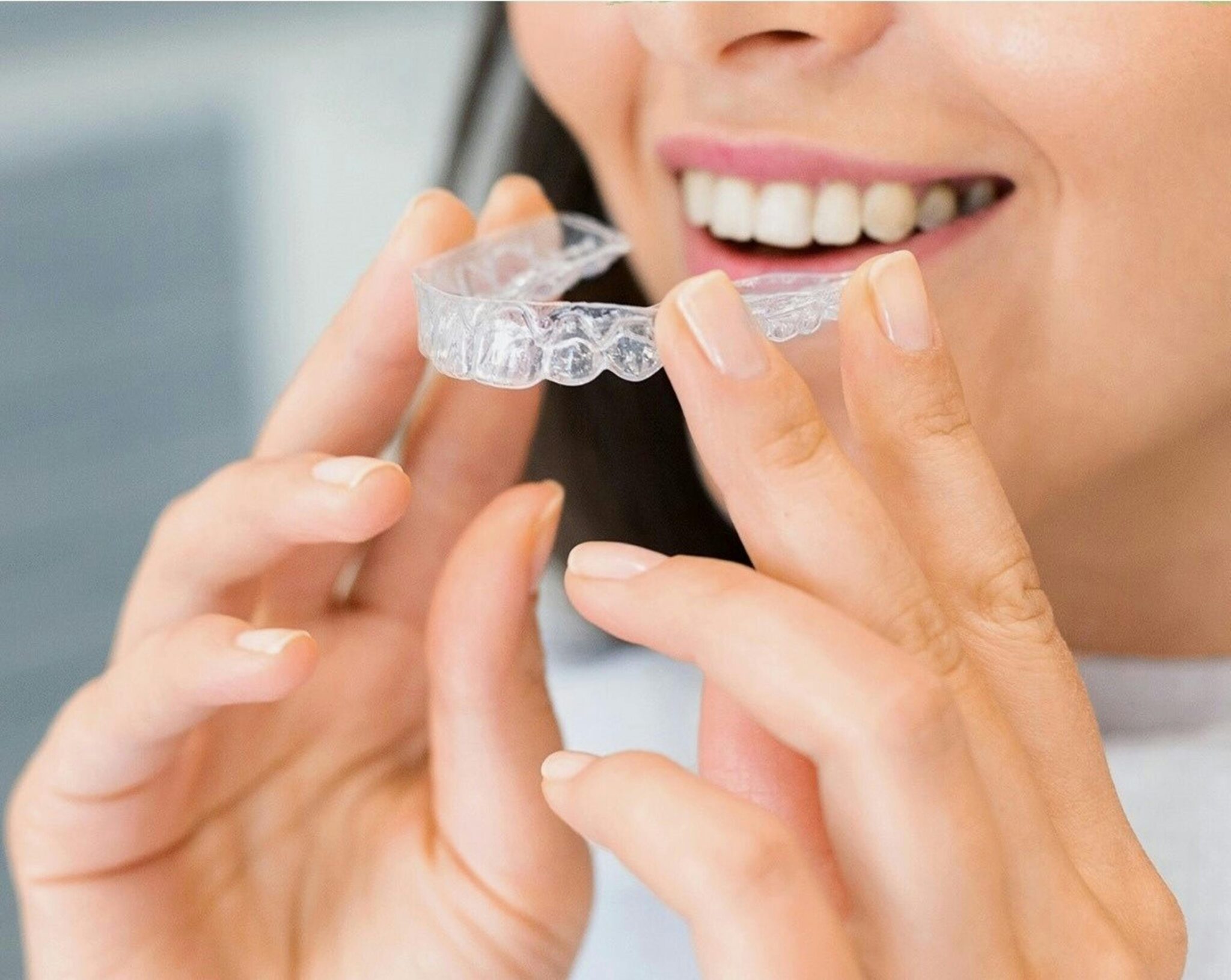
Clear aligners are popular because adults appreciate discreet treatment. They can be very effective for mild to moderate alignment issues that affect smile symmetry. In many cases, moving the teeth first reduces the amount of restorative work needed later. That is almost always a win for tooth preservation.
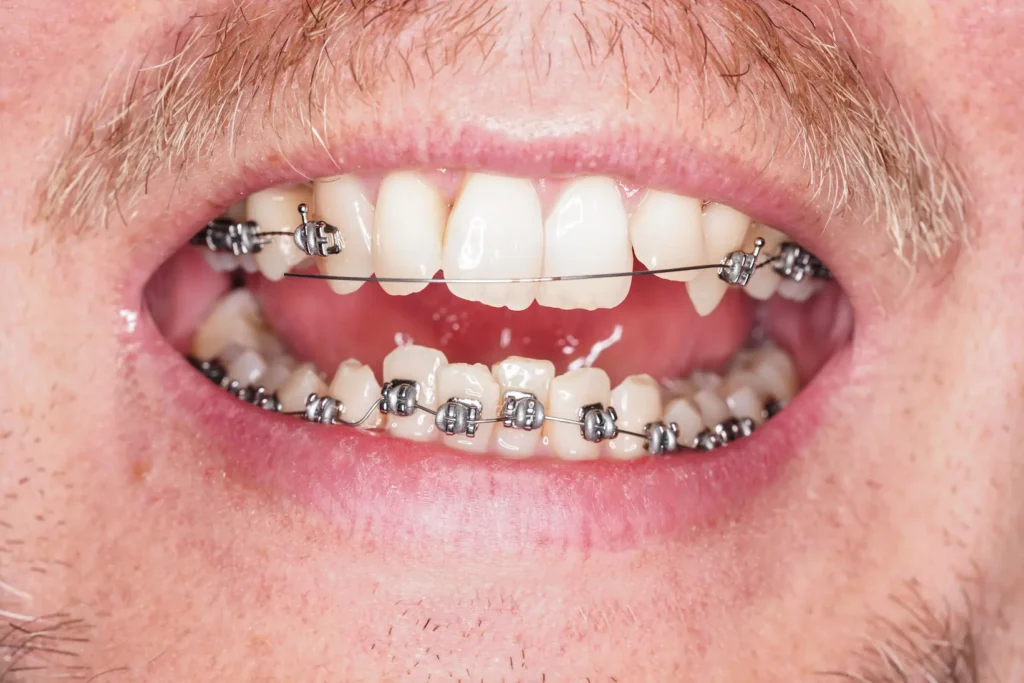
There are limits. Severe bite discrepancies, root position problems, or complex rotations may still be better handled with braces or a more involved interdisciplinary plan. Some patients also assume aligners will fix everything, when in reality orthodontics may improve position but not color, edge wear, or shape differences. A finishing phase with whitening, bonding, or recontouring is common.
Gum contouring and the overlooked frame of the smile
Patients tend to focus on teeth, but gum levels play a major role in symmetry. If one side of the gumline sits higher than the other, or one front tooth appears short because excess gum covers it, the smile can look uneven even when the teeth themselves match.
In selected cases, soft-tissue contouring can create a dramatic improvement with minimal treatment. Sometimes the change is as simple as exposing a more proportional amount of enamel on one or two teeth. In other situations, especially where altered passive eruption or uneven gingival display is present, the treatment may involve both gum and bone contouring for a stable result.
This area requires precision. Removing too much tissue creates a longer-looking tooth and can shift the whole smile out of balance. Removing too little does not solve the problem. Symmetry in the gums should support the face, not follow a generic template.
Why digital previews help, but judgment still matters
Modern cosmetic consultations often include digital imaging, mockups, or wax-ups. These tools are genuinely useful. They help patients visualize tooth length, edge position, and smile arc before committing to treatment. They also help dentists communicate shape and proportion.
Still, there is a difference between a helpful preview and a guarantee. A digital design is a planning aid, not a substitute for clinical judgment. Teeth exist in motion, under lips, in speech, with facial expression. A static screen image cannot fully predict how a restoration will feel or function.
The strongest cosmetic dentists use previews as part of the conversation, then refine details based on phonetics, bite contact, and real-world appearance. That judgment is what separates a merely good smile from one that seems effortless.
What to ask during a cosmetic consultation
A patient does not need technical vocabulary to recognize quality, but asking the right questions helps reveal how carefully a case will be planned. During a consultation for Cosmetic Dentistry Bakersfield CA, it is worth paying attention to whether the dentist discusses your face and bite, not just your tooth color.
A useful consultation should cover:
- What is causing the asymmetry, not just how to cover it
- Which options are most conservative and which are more permanent
- How long the proposed work typically lasts and what maintenance it needs
- Whether bite forces, clenching, or gum health could affect the result
- What the final smile is expected to look like in a natural, age-appropriate way
Good cosmetic treatment should never feel rushed. If the first recommendation is expensive porcelain for every visible tooth without a clear explanation of alternatives, that is worth pausing over. Many smiles improve significantly with less dentistry.
The role of facial balance and age
A common mistake in cosmetic planning is treating teeth in isolation. Smile symmetry has to make sense in the context of the whole face. A fifty-year-old with natural wear and soft facial contours usually does not benefit from the same tooth shapes that might suit a twenty-five-year-old model. Slight rounding, subtle translucency, and age-appropriate edge length often look more authentic than aggressively perfect geometry.
Lip support matters too. Teeth that are too short can age the face by reducing show at rest. Teeth that are too long or too bulky can interfere with speech and look unnatural. The right position for the front teeth often influences how youthful and balanced the smile appears more than shade alone.
This is one reason cosmetic dentistry should be personalized rather than sold as a package. A brighter smile is not automatically a better smile. Symmetry that respects facial character nearly always wins.
Maintenance after treatment makes a visible difference
Patients sometimes think the hard part ends once the veneers are cemented, the bonding is polished, or the aligners are done. In truth, maintenance has a direct effect on how long symmetry lasts. Teeth continue to shift. Bonding can wear. Gum tissue can recede. Nighttime clenching can undo beautiful work surprisingly fast.
For that reason, post-treatment care matters just as much as material choice. A custom night guard is often one of the smartest investments after cosmetic treatment, especially for anyone with wear patterns, morning jaw tension, or a history of cracked dental work. Routine polishing, hygiene visits, and photographic monitoring also help catch small changes before they become expensive problems.
Diet and habits play a role as well. Frequent coffee, red wine, tobacco, and acidic drinks can age a cosmetic result more quickly. That does not mean Cosmetic Dentistry Bakersfield CA patients need to avoid life. It means they should understand which habits ask more from the dentistry.
Cost, value, and choosing the right level of treatment
Cosmetic dentistry ranges widely in cost because the problems it solves vary widely. A small bonding correction and whitening plan can be relatively approachable. A full veneer case or a multidisciplinary treatment involving aligners, periodontal contouring, and restorative work will cost more and take longer.
The question is not simply what a treatment costs today. It is what value it creates over time. If conservative orthodontics plus minor bonding preserves more enamel and delivers a stable result, that may be the better investment even if it takes months rather than days. On the other hand, if several old restorations are already failing and color mismatch is severe, veneers or crowns may offer the most predictable reset.
Patients are best served when the dentist explains the trade-offs plainly. Fast is not always best. Cheap can become expensive if it has to be redone. Permanent treatment should solve a real problem, not just chase a trend.
How to tell if your smile needs cosmetic work or functional care first
There are smiles that look asymmetric because of obvious cosmetic issues, and there are smiles that look cosmetic on the surface but are really signaling functional instability. Distinguishing the two protects the patient.
If you have frequent chipping, flattening of front teeth, headaches from clenching, uneven jaw tension, or a history of dental work breaking on one side, the conversation should include function from the start. Cosmetic refinements done on top of an unstable bite can fail early. A careful dentist may suggest bite equilibration, orthodontic correction, protective appliances, or restorative stabilization before any elective aesthetic changes.
That approach can feel slower, but it is often the difference between dentistry that lasts and dentistry that disappoints.
Finding a natural result in Cosmetic Dentistry Bakersfield CA
The most satisfying cosmetic cases are usually the ones nobody can quite identify. Friends say you look rested. Your smile seems brighter. Photos look better from both sides. Speech feels normal. Nothing appears oversized, too white, or overly polished. The work simply fits.
That is the real promise of Cosmetic Dentistry Bakersfield CA for better smile symmetry. It is not about turning every patient into the same version of perfect. It is about correcting the imbalances that draw the eye, preserving healthy tooth structure whenever possible, and creating a smile that is proportionate to the face, stable in function, and believable in daily life.
For some people, that means a small change to one edge or one gumline. For others, it means staged treatment over several months. Either way, the best outcome comes from precise diagnosis, conservative judgment, and an understanding that symmetry is a matter of harmony, not sameness. When those pieces come together, the smile does not just look better. It feels more settled, more confident, and more truly your own.
Toothworks of Bakersfield, Dentist and Orthodontist
Address: 1030 H St #1, Bakersfield, CA 93304
Phone number: +16613239421
FAQ About Cosmetic Dentistry Bakersfield CA
What is considered cosmetic dentistry?
Cosmetic dentistry includes any dental treatment focused primarily on improving the appearance of your teeth, gums, or bite rather than treating a disease or restoring basic function.
How much does cosmetic dentistry usually cost?
The cost of cosmetic dentistry typically ranges from a few hundred dollars for minor touch-ups to over $20,000 for a comprehensive smile makeover, depending entirely on the specific procedure, materials used, and how many teeth are treated. Because most cosmetic treatments are elective, they are usually paid out of pocket without insurance coverage.
Is there a difference between a regular dentist and a cosmetic dentist?
Yes, a regular dentist focuses on your overall oral health and preventing disease, while a cosmetic dentist focuses on improving the look of your smile.
❧