October 5, 2026
Cosmetic Dentistry Bakersfield CA for a Polished Professional Look
By @caidenoeid482
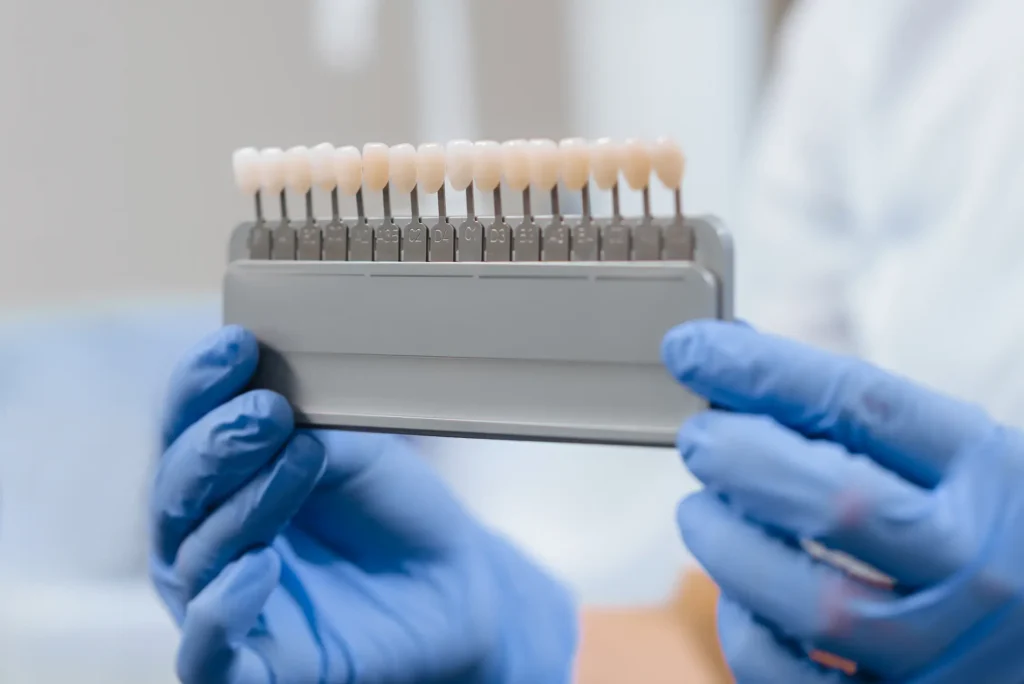
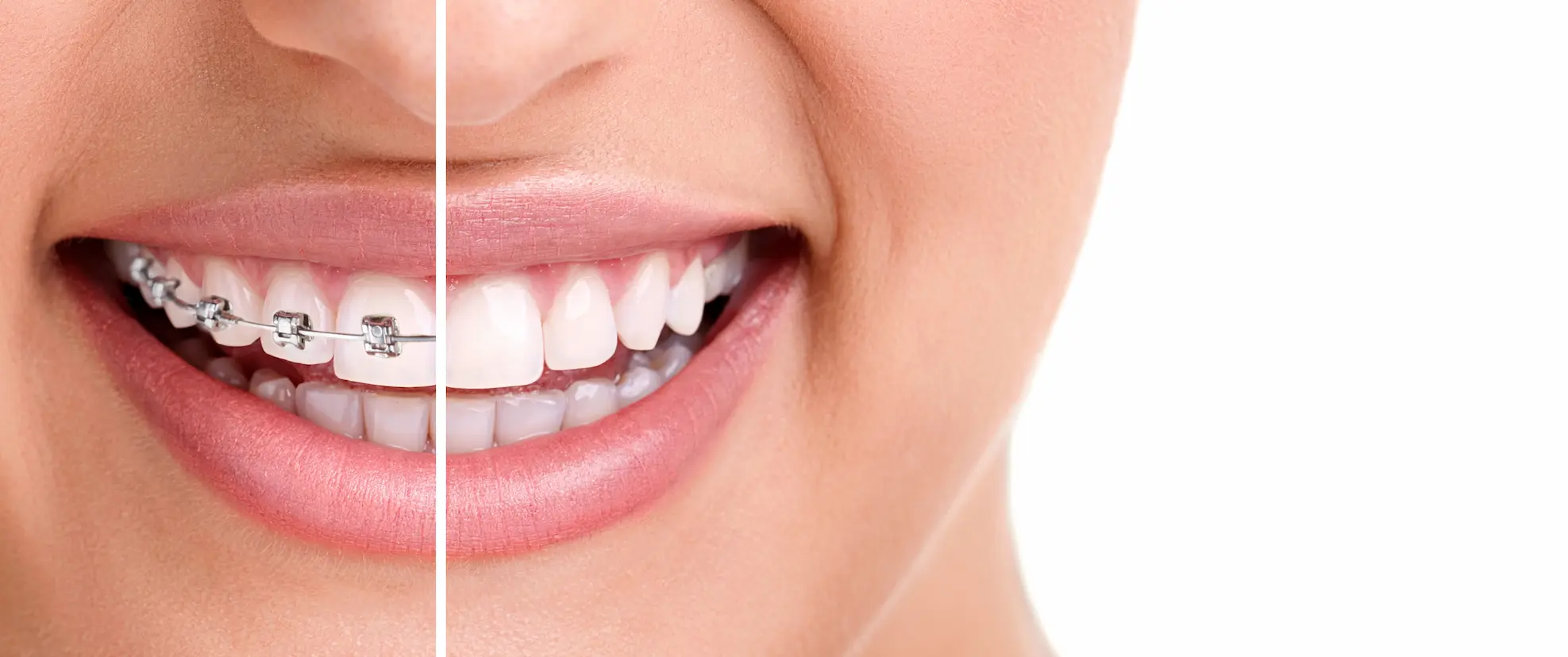
A polished professional image rarely comes down to one thing. It is usually the accumulation of details, the kind people notice without consciously naming them. A well-fitted jacket, clear speech, steady eye contact, and a relaxed smile all work together. When teeth are stained, chipped, crowded, or worn, that smile can start to feel guarded. People cover their mouths, speak a little less freely, or avoid close conversation. In a business setting, those habits can quietly affect confidence long before they affect appearance.
That is where cosmetic dentistry enters the picture. Done well, it is not about creating a flashy, artificial grin. It is about refining what already works, correcting the distractions, and helping someone look as capable and composed as they feel. For professionals in Bakersfield, that can matter in more situations than most people expect, from client meetings and job interviews to video calls and community events.
Cosmetic Dentistry Bakersfield CA has become a practical option for people who want results that look healthy, believable, and appropriate to their age and role. The best outcomes are usually subtle. Colleagues may say you look rested, healthier, or more confident, without immediately realizing your teeth have been improved. That is often the sweet spot.
Why appearance and confidence are closely linked
A smile is part of communication, not just appearance. In professional life, it shows up constantly. It softens a difficult conversation, helps establish warmth during introductions, and makes presentations feel more approachable. People who feel self-conscious about their teeth tend to limit those natural expressions. Over time, that can shape how they carry themselves.
I have seen this with professionals across industries. A sales manager may avoid broad smiling in team photos. A real estate agent may angle their face in listing videos. A business owner may delay updating headshots because they dislike how their teeth look under bright lighting. None of these issues sounds dramatic on its own, but together they create friction. When someone stops worrying about hiding their teeth, their body language changes almost immediately.
This is especially relevant in a city like Bakersfield, where business still leans heavily on personal relationships. People meet face to face, work through referrals, and build trust over repeated contact. Whether someone works in energy, agriculture, law, healthcare, finance, education, or small business, professional polish often includes looking open and self-assured. Cosmetic dental treatment can support that, provided it is chosen carefully and planned with restraint.
What cosmetic dentistry really includes
Many people hear the phrase and think only of whitening. Whitening is common and often effective, but cosmetic dentistry is much broader. It can address color, shape, alignment, proportion, and the way teeth fit into the face. In practice, treatment often overlaps with restorative care. A bonded chip repair may improve appearance and protect enamel. A crown on a worn front tooth may restore strength while improving symmetry. Orthodontic movement can make cleaning easier as well as create a straighter smile.
The key distinction is intent. Cosmetic treatment prioritizes visible improvement, but the good version never ignores function. If a patient grinds heavily at night, has unstable bite wear, or needs gum treatment first, those issues should be addressed before chasing a whiter or straighter smile. Appearance built on an unhealthy foundation rarely holds up.
For professionals looking to improve their image, the goal is usually not perfection. It is harmony. Teeth should fit the person’s face, skin tone, age, and style. A 28-year-old marketing executive, a 45-year-old trial attorney, and a 62-year-old physician will not necessarily want the same brightness, shape, or level of uniformity. Cosmetic work should be customized, not copied from a social media template.
The concerns Bakersfield professionals bring to the chair
In an office that sees adult cosmetic cases regularly, certain themes come up again and again. Staining is high on the list, especially for coffee drinkers, tea drinkers, red wine drinkers, and former smokers. Minor crowding of the front teeth is another common concern, particularly in patients who had braces years ago and watched a few teeth shift back after losing or skipping retainers.
Chipped edges matter more than people expect. A small chip on a front tooth can catch light in every photo. It may also change speech in subtle ways if the edge is rough or irregular. Worn teeth are another issue, especially in high-stress jobs where clenching and grinding are common. The person may not notice the gradual shortening, but they often notice that their smile looks older or flatter.
There are also patients with older dental work that no longer blends well. A dark line near a crown, mismatched bonding, or bulky veneers from years back can stand out even if the rest of the smile is healthy. Replacing visible restorations often produces a bigger aesthetic improvement than people expect, because it restores continuity.
In Bakersfield, sun exposure and a busy, practical lifestyle also shape expectations. Many patients are not looking for a celebrity smile. They want teeth that look clean, strong, and natural in daylight, in conference rooms, and on camera. That desire for believable results is a good starting point.
Whitening can help, but it has limits
Professional whitening is often the quickest route to a fresher smile. It can brighten natural enamel by several shades, especially when discoloration comes from food, drinks, or age-related yellowing. For many working adults, whitening alone provides enough improvement to feel more comfortable in photos and meetings.
Still, whitening is not a cure-all. It does not move crooked teeth, reshape worn edges, close spaces, or change the color of crowns and veneers. That last point catches many people off guard. If the front teeth contain older restorations, whitening the surrounding enamel may make those restorations look even more mismatched. Timing matters.
Sensitivity is another practical issue. Some patients tolerate whitening easily, while others experience short but noticeable zings with cold air or chilled drinks. In those cases, a slower take-home approach may be smarter than an aggressive in-office session. There is also the question of shade. Over-whitening can look harsh, especially under fluorescent office lighting or against mature facial features. A polished professional look usually lands in the bright-but-plausible range, not the paper-white extreme.
Bonding for small changes that make a real difference
Dental bonding is one of the most underrated cosmetic tools. When done by a dentist with a good eye, it can repair small chips, smooth irregular edges, close tiny gaps, and improve symmetry in a single visit. It is conservative because it usually preserves most of the natural tooth. It is also relatively affordable compared with porcelain.
For the right case, bonding offers impressive value. A patient with one slightly shortened front tooth and a small chip on the neighboring tooth may walk out looking noticeably more polished after an hour or two of reshaping and resin placement. The change can be subtle enough that nobody identifies dental work, but clear enough that the smile looks cleaner and more deliberate.
The trade-off is durability. Bonding is strong, but it is not as stain-resistant or long-lasting as porcelain. It can chip if a patient bites pens, tears open packages with their teeth, or grinds heavily without a night guard. It may also need periodic polishing or touch-ups. For many professionals, that is acceptable, especially if the goal is targeted improvement rather than a full smile redesign.
Veneers and when they make sense
Porcelain veneers tend to get the most attention because they can produce dramatic transformation. Thin shells bonded to the front surfaces of teeth can correct color, shape, minor alignment issues, uneven spacing, and worn edges all at once. In the right hands, they can look exceptionally natural.
The phrase “in the right hands” matters. Veneers are technique-sensitive and design-sensitive. They should match the person, not dominate the face. The best veneer cases respect translucency, surface texture, and proportion. They avoid the bulky, opaque look that makes some smiles appear artificial from across a room.
Veneers are usually best for patients who want a durable, high-impact cosmetic upgrade and who have concerns that whitening or bonding cannot fully solve. A patient with tetracycline staining, multiple chipped edges, small uneven teeth, and old discolored bonding may be an excellent candidate. A patient who only wants brighter teeth may be far better served by whitening.
Preparation is a major consideration. Some veneers require removing a small amount of enamel. That makes treatment a long-term commitment. Once a tooth is prepared, it will always need some form of coverage moving forward. That does not make veneers a bad option, but it means the decision should be thoughtful. For professionals seeking Cosmetic Dentistry Bakersfield CA services, veneers are often most successful when the patient values predictability, understands maintenance, and wants a polished look that holds up for years.
Clear aligners for adults who missed braces the first time
Not every cosmetic concern is about color. Alignment has a huge effect on how polished a smile appears. Even mild crowding can cast shadows, trap stain, and make the front teeth look uneven in photos. Clear aligners appeal to adults because they offer discreet tooth movement without metal brackets.
For a professional who gives presentations, meets with clients, or appears on camera, that discretion matters. Aligners can correct mild to moderate crowding, spacing, and some bite issues. Treatment takes months rather than days, so it is not the fastest option, but the biological improvement can be more meaningful than a surface change alone. Straightening teeth can improve appearance and make hygiene easier, which helps the result last.
Compliance is where cases succeed or fail. Aligners only work well when worn as directed, usually around 20 to 22 hours a day. Busy adults sometimes underestimate that commitment. Removing trays for frequent coffee sipping, business lunches, or social events can slow progress. Good candidates are not just people with crooked teeth. They are people willing to follow through consistently.
Gum contouring and the frame around the smile
Teeth get most of the attention, but gums frame the entire smile. If the gumline is uneven, if one tooth appears shorter than its neighbor, or if excess gum tissue creates a “gummy” look, the smile can feel off-balance even when the teeth themselves are attractive.
Minor gum contouring can sometimes correct that imbalance. In selected cases, reshaping tissue around the upper front teeth creates a more symmetrical, refined look. The improvement may be modest in millimeters, but visually it can be striking. This is one of those treatments that people often do not know exists until a dentist points out how much the gumline affects proportion.
Of course, not every gummy smile needs contouring. Sometimes the issue is tooth wear, lip movement, or jaw position. This is why diagnosis matters. Cosmetic dentistry should not be reduced to a menu of procedures. It is a design process grounded in anatomy.
The best cosmetic work often starts with a conversation, not a procedure
A rushed consultation usually leads to rushed decisions. The most useful cosmetic planning appointments spend time on specifics. What bothers the patient most? Is it color, shape, crowding, old dental work, or all of the above? Where do they notice it most, in mirror light, on Zoom, in photographs, or when speaking? Do they want the kind of result friends notice right away, or something more understated?
A skilled dentist will also ask practical questions. Does the patient clench or grind? Have they had whitening before, and did they become sensitive? Are there existing crowns that need to match? Is there a deadline, such as a wedding, campaign, promotion, or corporate headshot session? Cosmetic planning tied to real life tends to produce better sequencing and fewer regrets.
This is where professional judgment shows. Sometimes the right answer is not the treatment the patient requested. A person may come in asking for veneers when whitening and minor bonding would be enough. Another may want bonding everywhere when their bite and wear pattern suggest porcelain would hold up better. The dentist’s job is not just to provide options, but to guide choices.
What to look for when choosing a cosmetic dentist in Bakersfield
Not every general dentist approaches aesthetics the same way. Some do excellent cosmetic work routinely. Others focus more on maintenance and basic restorative care. If appearance is the priority, patients should look closely at a dentist’s taste level, communication style, and ability to explain trade-offs clearly.
Before committing, it helps to review before-and-after examples of actual Cosmetic Dentistry Bakersfield CA cases similar to your own. Look for consistency rather than drama. Natural tooth anatomy, realistic color transitions, and balanced proportions are good signs. A consultation should leave you with a clearer sense of what is possible, what is not, and what maintenance will be required.
Here are a few practical questions worth asking during a cosmetic consultation:
- What treatment options would you consider most conservative for my goals?
- How will this work look in natural light and on camera?
- What maintenance or replacement timeline should I realistically expect?
- Will any existing crowns, fillings, or bonding need to be updated for a good match?
- If I grind my teeth, how will that affect the plan?
Those questions tend to reveal whether a dentist is thinking beyond the immediate procedure. For anyone seeking Cosmetic Dentistry Bakersfield CA, that broader thinking is often the difference between a result that merely looks better and one that genuinely fits their professional life.
Cost, value, and the temptation to overdo it
Cosmetic treatment can range from a few hundred dollars for simple bonding or whitening touch-ups to several thousand for veneers, orthodontics, or more comprehensive smile rehabilitation. Prices vary based on complexity, materials, lab quality, and the experience of the provider. It is reasonable to ask for clear estimates Cosmetic Dentistry Bakersfield CA and phased options.
The cheaper option is not always the better value. A bargain veneer case that looks bulky or fails early can become expensive to correct. On the other hand, the most expensive option is not automatically the smartest one either. Many patients get excellent results from modest treatments chosen well. Whitening, edge bonding, and replacement of one mismatched crown may produce a more elegant outcome than a full set of unnecessary veneers.
Overtreatment remains one of the biggest risks in cosmetic dentistry. Teeth that are too white, too square, or too uniform can make a face look less natural rather than more attractive. For a polished professional image, restraint usually wins. A believable smile inspires more confidence than an obvious dental makeover.
Maintenance matters more than the final photo
A smile makeover reveal is exciting, but the everyday result matters more. Coffee, red sauce, turmeric, tobacco, grinding, and neglected hygiene all shorten the life of cosmetic work. So do habits people barely notice, such as chewing ice or opening packaging with their front teeth.
Patients who want cosmetic improvements to age well should expect some maintenance. That may mean periodic whitening refreshers, polishing of bonding, replacing worn retainers after aligner treatment, or wearing a custom night guard to protect veneers and natural enamel. Good dentistry can create a beautiful result. Good habits are what keep it beautiful.
For busy professionals, the maintenance plan should be realistic. If a treatment only looks good with constant upkeep the patient is unlikely to do, it may not be the right treatment. This is another reason subtle, practical planning matters so much.
Timing treatment around your career and schedule
One overlooked part of cosmetic planning is calendar management. Whitening can often be done quickly, but aligners take time. Veneers may involve consultation, records, preparation, temporaries, lab fabrication, and final placement over several visits. Gum contouring and bonding may require brief healing or adjustment periods. If someone wants to look their best for a career milestone, they should plan ahead.
A few months is a reasonable runway for moderate cosmetic work. Longer is better if tooth movement, gum changes, or replacement of multiple restorations is involved. Rushing increases stress and limits options. It can also force decisions that are more aggressive than necessary.
Professionals often come in before a major event such as a speaking engagement, a rebrand, a campaign launch, or a leadership transition. In those cases, sequencing becomes part of the art. Sometimes the right move is a quick enhancement now, followed by more comprehensive treatment later. A dentist who understands both aesthetics and timing can help stage the process wisely.
A refined smile should still look like you
The most successful cosmetic dentistry does not erase individuality. It preserves character while removing distractions. A tiny bit of asymmetry can still look human and attractive. Slight translucency at the edges can keep teeth from appearing flat. Age-appropriate brightness often looks more elegant than extreme whiteness. These details matter.
For professionals in Bakersfield, a polished look often means looking credible, healthy, and at ease. Cosmetic dental treatment can support that image powerfully when it is chosen with judgment. Whether the answer is whitening, bonding, aligners, veneers, gum refinement, or a combination, the best result is one that lets the smile do its job without demanding attention.
That is the real promise of Cosmetic Dentistry Bakersfield CA. Not a generic makeover, not a trend-driven set of unnaturally perfect teeth, but a smile that aligns with the rest of your presence. When that happens, people do not just see better teeth. They see someone who looks prepared, confident, and comfortable in the room.
Toothworks of Bakersfield, Dentist and Orthodontist
Address: 1030 H St #1, Bakersfield, CA 93304
Phone number: +16613239421
FAQ About Cosmetic Dentistry Bakersfield CA
What is considered cosmetic dentistry?
Cosmetic dentistry includes any dental treatment focused primarily on improving the appearance of your teeth, gums, or bite rather than treating a disease or restoring basic function.
How much does cosmetic dentistry usually cost?
The cost of cosmetic dentistry typically ranges from a few hundred dollars for minor touch-ups to over $20,000 for a comprehensive smile makeover, depending entirely on the specific procedure, materials used, and how many teeth are treated. Because most cosmetic treatments are elective, they are usually paid out of pocket without insurance coverage.
Is there a difference between a regular dentist and a cosmetic dentist?
Yes, a regular dentist focuses on your overall oral health and preventing disease, while a cosmetic dentist focuses on improving the look of your smile.
❧